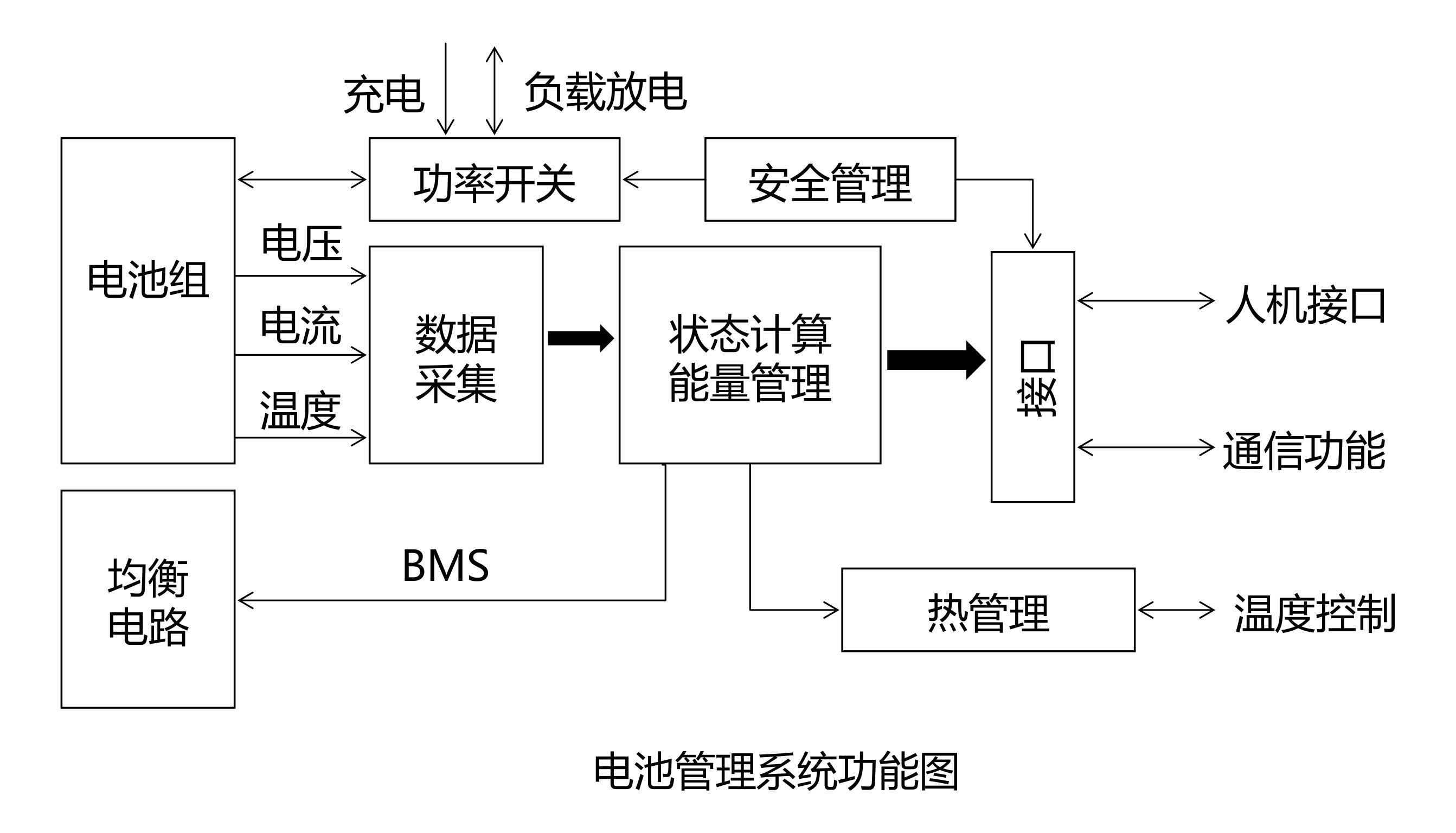
The smart battery system (SBS) is a branch and an important part of modern power technology. The smart battery system uses internal electronic circuits to measure, calculate and store battery data, which makes the use and management of the power supply more predictable.The basic functions of a battery management system fall into three major blocks: monitoring, management and protection. Specifically, they include data acquisition, status monitoring, balancing control, thermal management, safety protection and information management.
Battery pack parameter acquisition
Battery pack parameter acquisition mainly includes the acquisition of the individual cell voltages, the system current and the system temperature in the battery pack; these parameters can be used to determine the remaining capacity of the battery, fault protection and so on. The voltage of a lithium-ion battery best reflects its performance state: it can be used both for fault protection such as over-charge and over-discharge and for a preliminary estimate of the remaining capacity of the lithium-ion battery. The system current can be used to judge whether over-discharge or over-current occurs, and by integrating the current over time it can also be used to estimate the remaining capacity of the battery. The system temperature is mainly used to prevent the battery pack from overheating and causing a safety accident, and to compensate the remaining capacity calculation. The remaining capacity is an important parameter reflecting battery performance and is also the basis for the host to decide on charging and discharging. An accurate estimate of the remaining capacity can protect the battery, prevent over-charge and over-discharge from occurring, and help customers make reasonable time arrangements.
Battery pack fault protection
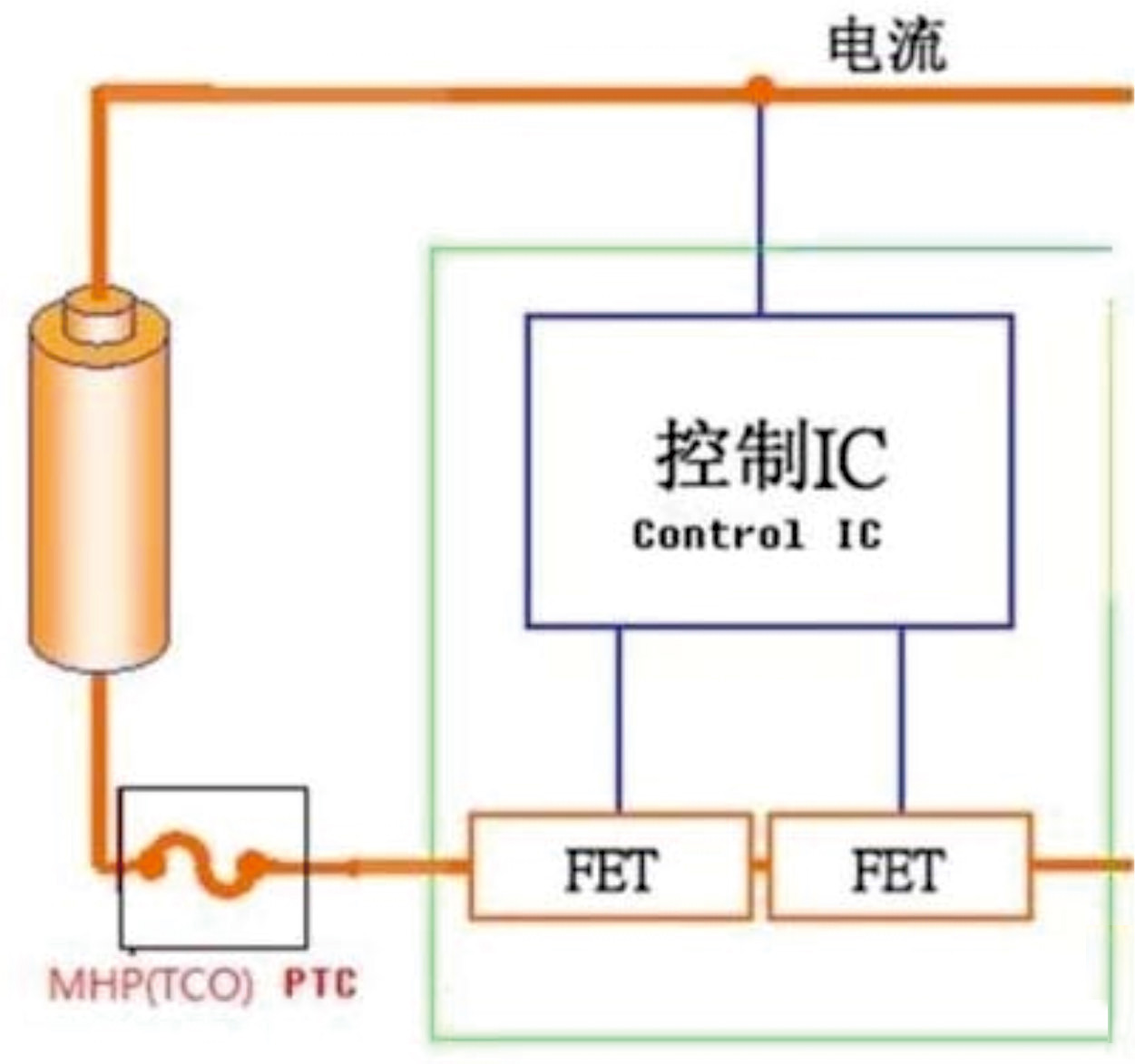
When lithium-ion batteries are used, battery pack fault protection must be provided: overheating or over-charging may cause a fire or an explosion. The smart battery management system can be divided into first level protection and second level protection. The first level protection detects the current, voltage and temperature of the battery pack and the remaining capacity, judges whether the battery pack is in an unsafe state such as over-charge, over-discharge, over-temperature, over-current or short circuit, and shuts down the battery pack in good time to avoid damage to the battery pack. The second level protection can provide backup protection when the first level protection fails, blowing the fuse and permanently shutting down the battery pack to prevent the battery from continuing to charge and discharge in an unsafe condition.
Cell balancing
Due to the manufacturing process limits of lithium-ion batteries and the influence of temperature and discharge rate on the battery during use, differences in voltage, internal resistance and capacity exist among the individual cells in a battery pack, and these differences become more obvious after many cycles, so that the service life of the battery pack is much shorter than the average life of a single cell. At the same time, because lithium-ion batteries have very high requirements for charging and discharging, when over-charge, over-discharge, over-current and short circuit occur, the heat inside the lithium-ion battery increases greatly and sparks, burning or even explosion readily occur. To ensure safety and stability, balancing measures must be taken.
SMBus communication
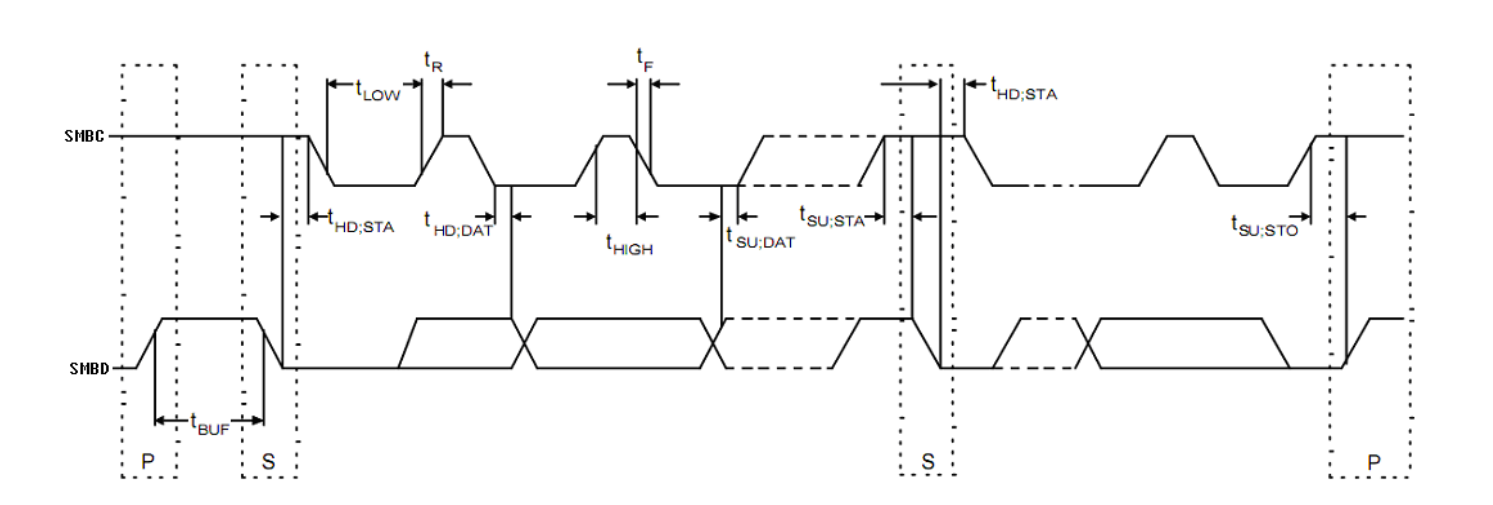
The system management bus (SMBus) is a two-wire interface. Through it, devices can communicate with each other and with other parts of the system. It is based on the I2C operating principle. The SMBus provides a control bus for system and power management related tasks. A system can exchange information with multiple devices using the SMBus without the need for separate control lines. A smart management system needs to provide SMBus communication externally so that the host can conveniently read converted data and status information, and the smart battery management system can be controlled as required by the host.