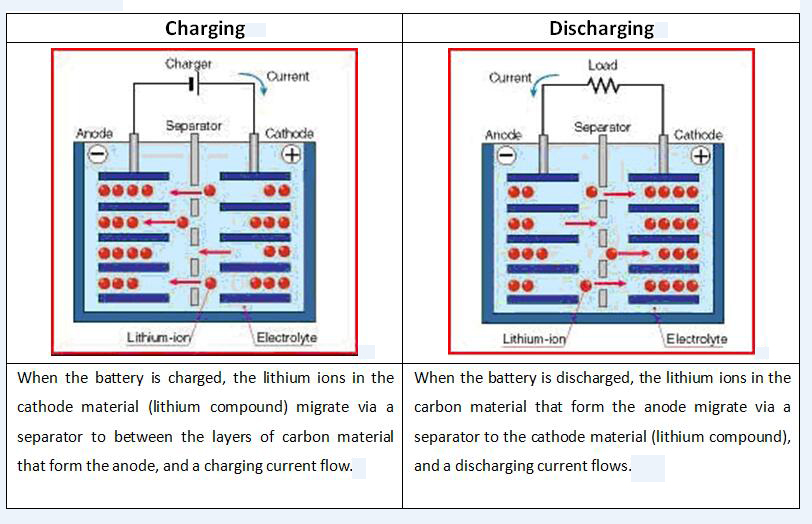
Lithium-ion batteries are common in consumer electronics, with one of the best energy-to-weight ratios, no memory effect, and a slow loss of charge when not in use. In addition to uses for consumer electronics, lithium-ion batteries are growing in popularity for defence, automotive, and aerospace applications due to their high energy density.
Lithium-ion Polymer ( Li-Po or LiPo ) Battery
Lithium-ion polymer batteries are technological evolution from lithium-ion batteries. The primary difference is that the lithium-salt electrolyte is not held in an organic solvent but in a solid polymer composite such as polyethylene oxide or polyacrylonitrile.
The advantages of lithium-ion polymer over the lithium-ion design include adaptability to a wide variety of packaging shapes and ruggedness.
Lithium Iron Phosphate Li-FePO4 Battery
The latest innovation in Li-FePO4 offer the energy density, weight and size benefits of Li-ion but are proven to be far safer in critical situations; coupled with a working life of 1,000 charging cycles, double that of other battery types.
Operating principles of rechargeable lithium batteries: